Best Timing for Concrete Step Repairs
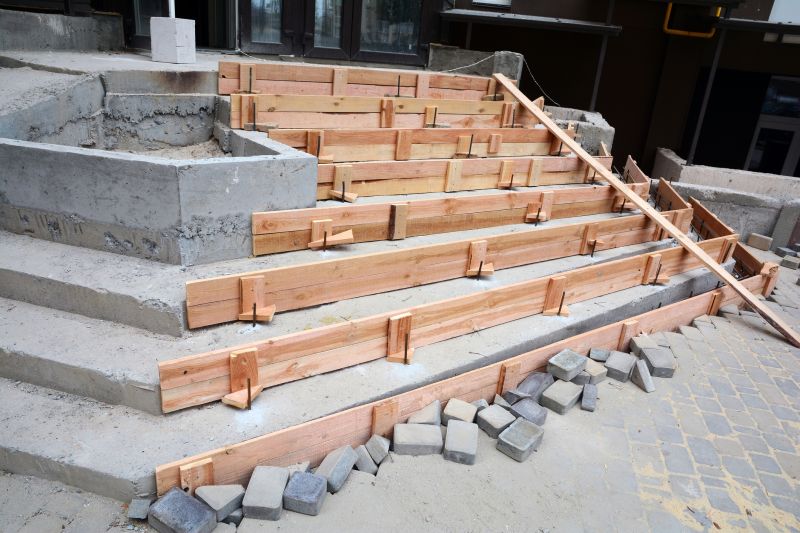
Ways to make Concrete Steps Repairs work in tight or awkward layouts.
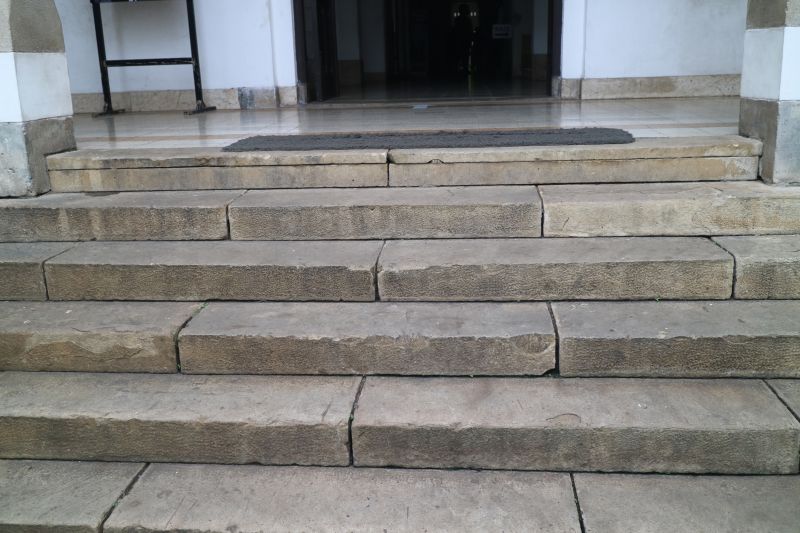
Popular materials for Concrete Steps Repairs and why they hold up over time.

Simple add-ons that improve Concrete Steps Repairs without blowing the budget.
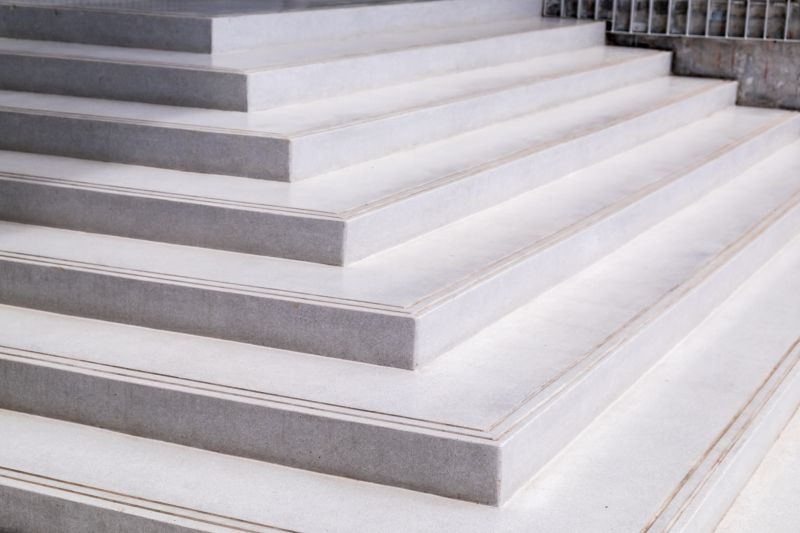
High-end options that actually feel worth it for Concrete Steps Repairs.

Finishes and colors that play nicely with Concrete Steps Repairs.
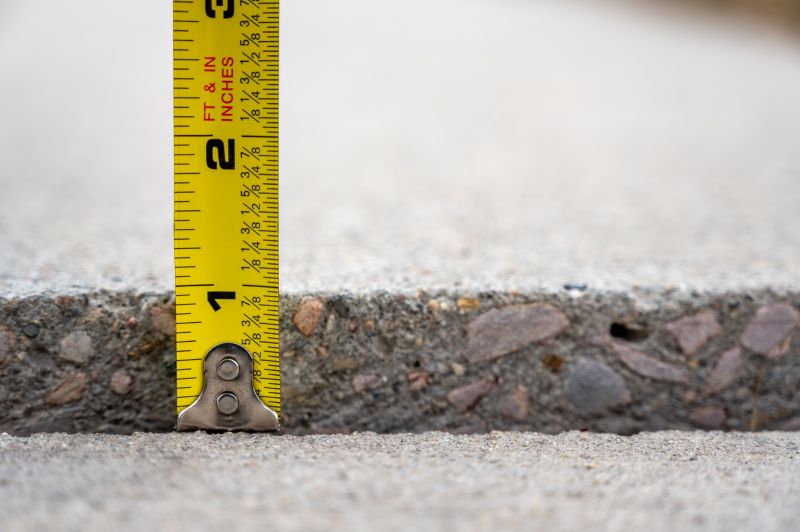
Little measurements that prevent headaches on Concrete Steps Repairs day.
Timing for concrete steps repairs is crucial to ensure durability and effective results. The optimal time depends largely on weather conditions, as extreme temperatures and moisture levels can affect the curing process and adhesion of repair materials. Generally, mild and dry weather provides the best environment for repairs, minimizing the risk of cracking or improper setting.
The ideal window for concrete repairs typically falls during spring and early fall when temperatures are moderate and precipitation is less likely. Repairing during these periods allows concrete to cure properly and reduces the chances of damage caused by freeze-thaw cycles or excessive heat. Planning repairs during these times can extend the lifespan of the repaired steps and maintain their structural integrity.
Check forecasts for consistent dry, mild weather before scheduling repairs to prevent issues related to moisture or temperature extremes.
Clean and remove loose debris from the steps to ensure proper bonding of repair materials.
Select a period with stable weather conditions, preferably in spring or fall, to allow adequate curing time.
Ensure that the concrete is kept moist and protected during the initial curing phase for maximum strength.
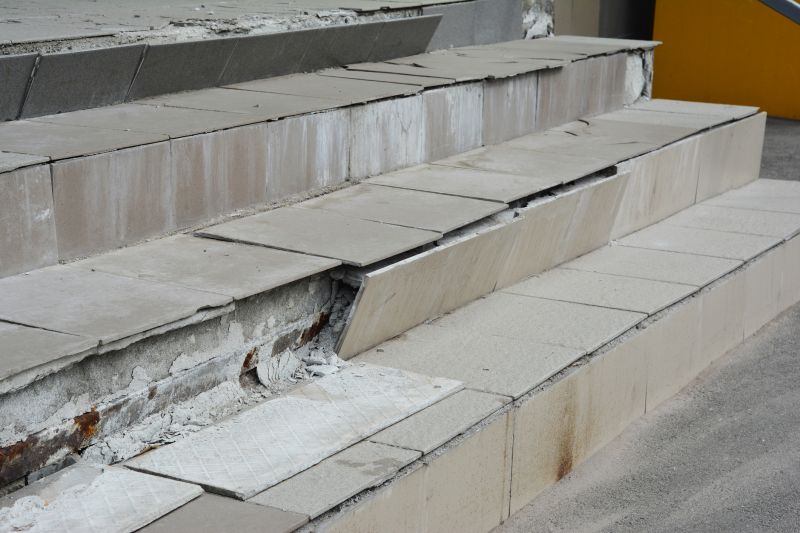
A 60-second routine that keeps Concrete Steps Repairs looking new.
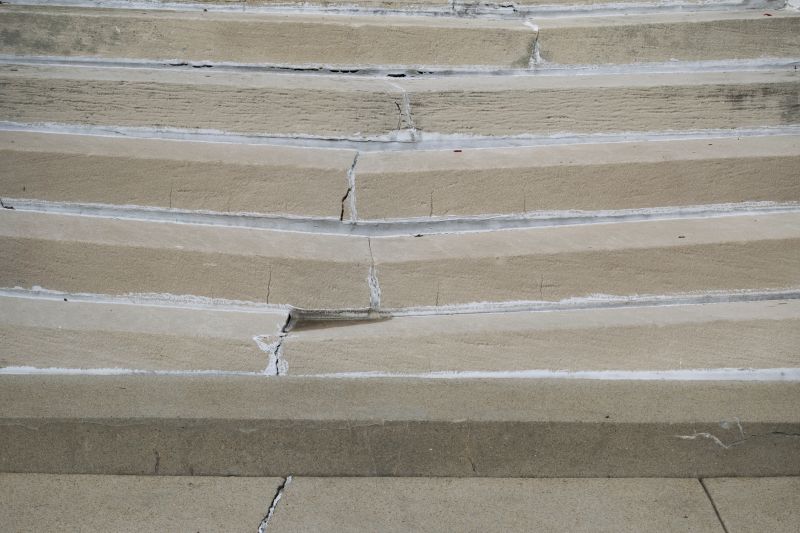
A frequent mistake in Concrete Steps Repairs and how to dodge it.
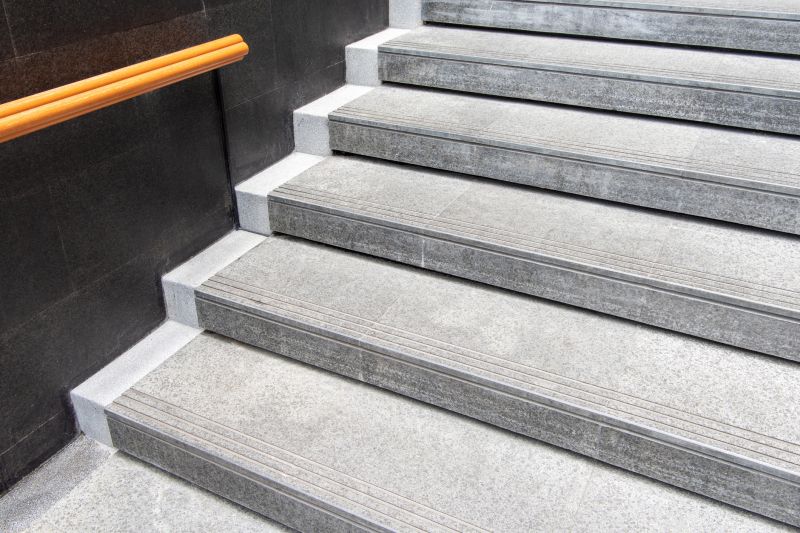
Small tweaks to make Concrete Steps Repairs safer and easier to use.
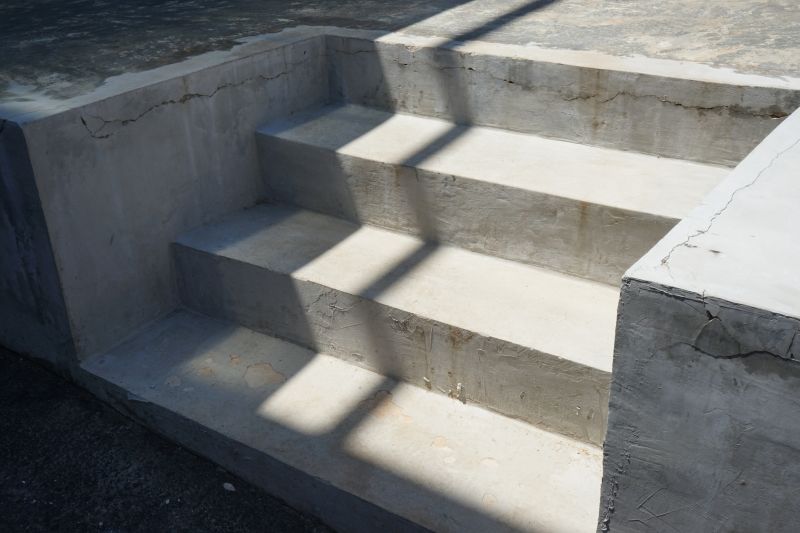
Lower-waste or water-saving choices for Concrete Steps Repairs.
Concrete steps repairs are essential for maintaining safety, accessibility, and aesthetic appeal of entryways and pathways. Timely repairs prevent further deterioration, such as cracking, spalling, or uneven surfaces, which can pose safety hazards or lead to costly replacements. Regular inspection and maintenance can extend the lifespan of concrete steps, ensuring they remain functional and visually appealing.
| Optimal Repair Season | Key Considerations |
|---|---|
| Spring | Moderate temperatures and low precipitation promote effective curing and bonding. |
| Summer | Avoid peak heat hours; early morning or late afternoon repairs recommended. |
| Fall | Cooler temperatures and dry conditions support proper setting and curing. |
| Winter | Generally not recommended due to freezing temperatures that hinder curing and may cause cracking. |
| Late Spring/Early Fall | Ideal periods with stable weather for most regions. |
Understanding the best timing for concrete steps repairs can significantly influence the durability and appearance of the repaired structures. Proper planning and scheduling during suitable weather conditions enhance the effectiveness of repair materials and help prevent future damage caused by environmental factors.
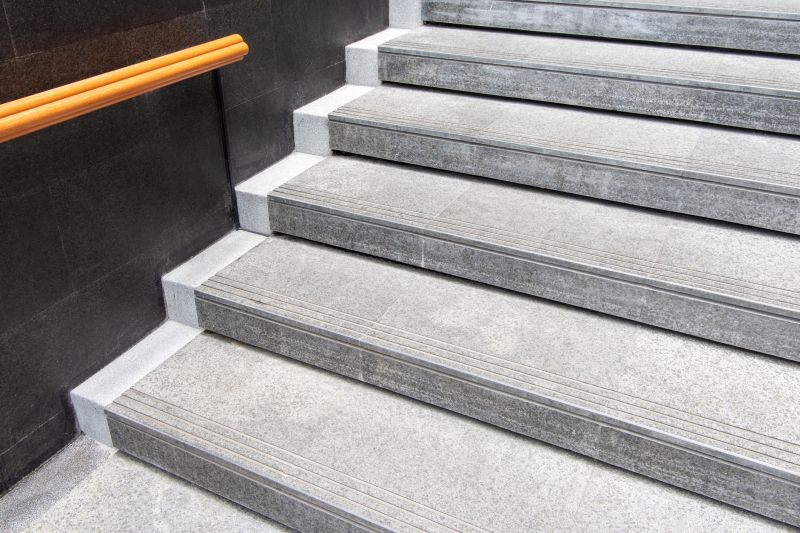
The short, realistic tool list for quality Concrete Steps Repairs.
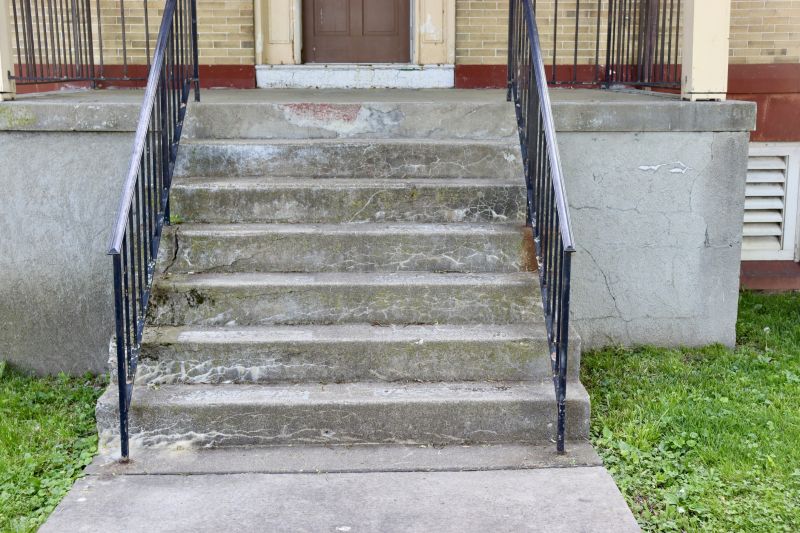
Rough timing from prep to clean-up for Concrete Steps Repairs.
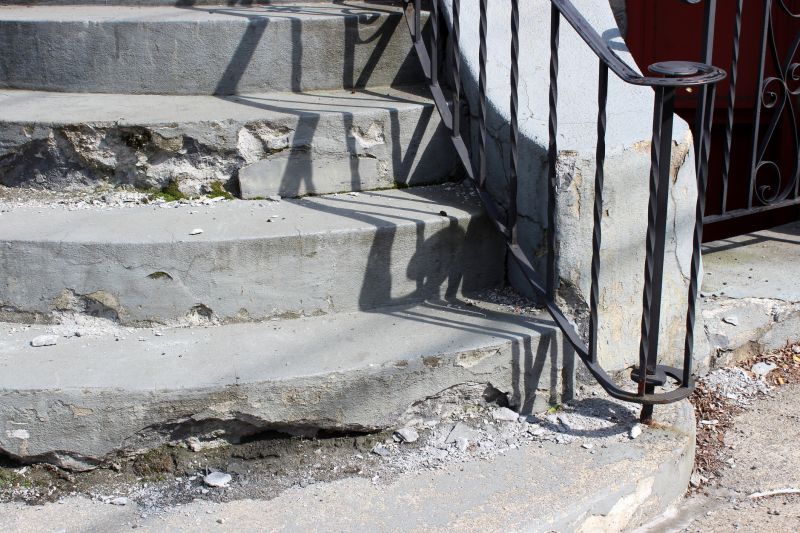
Quick checks and paperwork to keep after Concrete Steps Repairs.
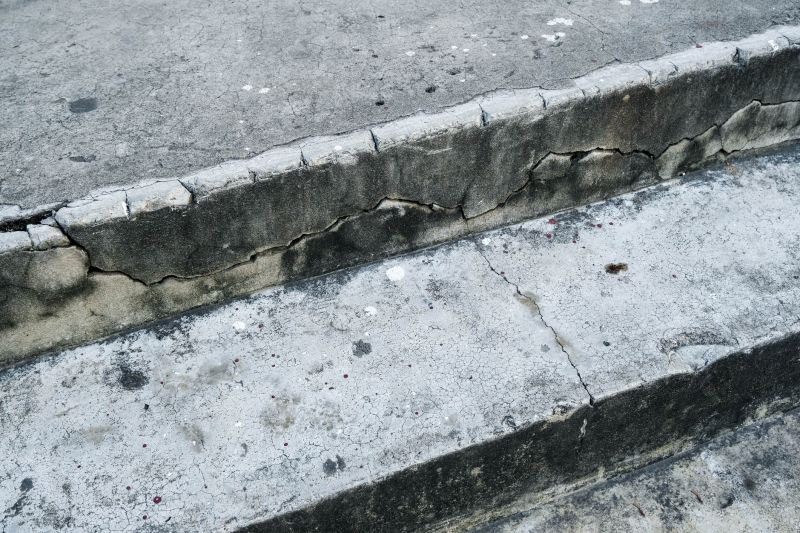
Examples that show the impact a good Concrete Steps Repairs can make.
Those interested in scheduling concrete steps repairs are encouraged to fill out the contact form. Proper timing and execution can ensure long-lasting, safe, and visually appealing steps that enhance the property's value and curb appeal.