
Popular Concrete Steps Repair Products For Long-Lasting Results
Discover trusted repair products that provide reliable results and ease of use for restoring your concrete steps.
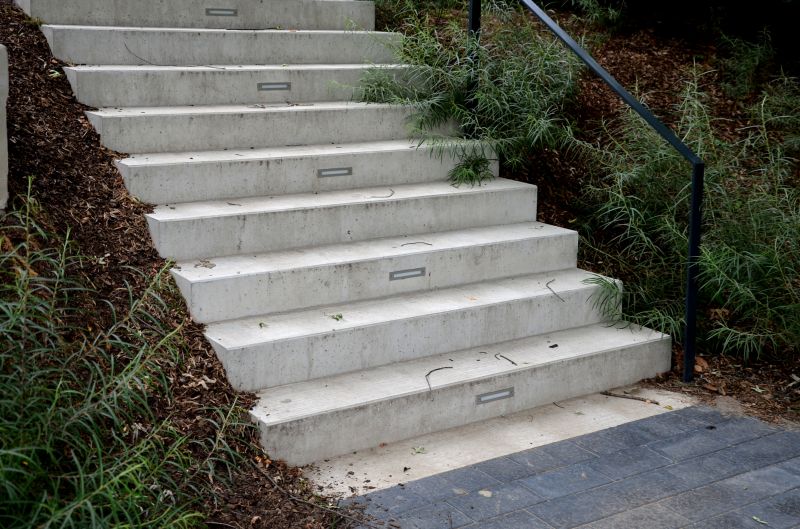 Concrete steps are a vital part of many outdoor and indoor spaces, providing safe and functional access to buildings, porches, and patios. Over time, exposure to weather, foot traffic, and natural settling can cause cracks, chips, and deterioration in concrete steps. Repairing these issues is essential not only for aesthetic reasons but also to ensure safety and prevent further damage. A variety of products are available to address different types of damage, from simple surface repairs to more extensive structural fixes. Selecting the right repair products depends on the specific condition of the steps, the extent of damage, and the desired longevity of the repair.
Top Overall Option
Concrete Repair Patch Kit
A comprehensive concrete repair patch kit includes a versatile patch compound, bonding agent, and finishing tools, making it suitable for a variety of repair needs. It is designed to bond well with existing concrete, fill cracks and holes, and provide a durable, smooth surface. This type of kit is ideal for addressing both minor surface damage and more significant cracks, offering a convenient all-in-one solution for DIY repairs. Proper application and curing are essential to ensure the longevity of the repair, and these kits often come with detailed instructions to assist users throughout the process.
Types of Products For Concrete Steps Repairs
Concrete Patch and Repair Compound
Used to fill cracks, chips, and holes in concrete surfaces, these compounds are formulated for easy application and strong adhesion.
Epoxy Injection Kits
Designed for structural repairs, epoxy injection kits can restore the integrity of cracked concrete by filling and bonding internal cracks.
Polyurethane Foam Sealants
Flexible sealants that expand to fill larger cracks and gaps, providing waterproofing and crack stabilization.
Surface Sealers and Coatings
Protective coatings that seal the surface against moisture, stains, and weathering, extending the life of repaired concrete.
Resurfacing Overlays
Thin layers of decorative or plain concrete applied over existing surfaces to improve appearance and durability.
Concrete Resurfacing Products
Ready-mix products that can be applied over worn or damaged concrete to restore a smooth, uniform surface.
Bonding Agents
Primers that improve adhesion between old concrete and new repair materials, ensuring a stronger bond.
Cementitious Repair Mortars
Heavy-duty repair mortars suitable for filling large cracks and rebuilding sections of damaged concrete steps.
Crack Repair Kits
Complete kits that include everything needed to clean, prepare, and fill cracks in concrete surfaces.
Waterproofing Sealants
Sealants designed to prevent water infiltration, which can cause further deterioration and freeze-thaw damage.
Decorative Concrete Coatings
Colorful or textured coatings that enhance the appearance of concrete steps while providing protection.
Polymer Modified Concrete Mixes
Enhanced mixes that improve adhesion, flexibility, and durability for structural repairs.
Popular Choices
A versatile patching compound suitable for filling cracks and minor surface damage on concrete steps.
A durable epoxy designed to fill and bond cracks, restoring strength to damaged concrete.
A spray-on sealant that provides a protective barrier against moisture and stains.
A ready-to-use overlay material for restoring worn or uneven surfaces of concrete steps.
A sealant that remains flexible over time, ideal for filling larger or moving cracks.
Heavy-duty mortar for rebuilding and patching large damaged areas on concrete steps.
A primer that enhances adhesion between old and new concrete materials during repairs.
A decorative coating that can give concrete steps a fresh, textured appearance.
A waterproof sealant that helps prevent water penetration and freeze-thaw damage.
A foam sealant that expands to fill and seal larger cracks in concrete surfaces.
For minor surface cracks and chips, patching compounds and concrete fillers are often sufficient. These products are designed to adhere well to existing concrete, fill gaps, and create a smooth, durable surface that blends with the surrounding material. For larger cracks or structural issues, more robust solutions like epoxy injections or concrete repair mixes may be necessary. These materials can restore the integrity of the steps and help prevent future deterioration. Proper preparation, including cleaning and removing loose debris, is crucial before applying any repair product to ensure optimal adhesion and longevity.
In addition to repair compounds, sealants and coatings can provide an extra layer of protection against moisture, freeze-thaw cycles, and further cracking. Applying a high-quality sealant after repairs can extend the lifespan of the concrete steps and maintain their appearance. For aesthetic improvements, decorative overlays and resurfacing products are available, allowing for customization and enhanced curb appeal. Regardless of the product chosen, following manufacturer instructions and considering the specific environmental conditions will help achieve the best results and maintain the safety and functionality of the concrete steps over time.
Key Buying Considerations
- Assess the extent of damage to determine whether surface repair or structural reinforcement is needed.
- Choose products compatible with existing concrete for better adhesion and durability.
- Consider environmental conditions such as exposure to freeze-thaw cycles, moisture, and temperature fluctuations.
- Select repair materials with appropriate setting and curing times to fit your project schedule.
- Evaluate whether a simple patch or a more comprehensive resurfacing or sealing solution is appropriate.
- Check for ease of application, especially if undertaking DIY repairs, and review manufacturer instructions carefully.
- Opt for products with good adhesion properties to prevent future cracking or peeling.
- Determine if waterproofing or sealing is necessary to protect against moisture infiltration.
- Consider aesthetic options like color or texture if appearance is a priority.
- Review product compatibility with other repair materials to ensure a cohesive repair process.
- Prioritize products that offer long-term durability to reduce the need for future repairs.
- Evaluate the environmental conditions of the repair site, including foot traffic and exposure to elements.
- Look for products with good reviews and proven performance in similar repair scenarios.
- Factor in budget constraints while balancing quality and longevity of the repair.